What to check before booking a Canadian Niagara Falls boat tour
Know what you are stepping into
A boat tour on the Canadian side of Niagara Falls is one of those experiences that sounds simple enough: you board a vessel, you get wet, you see the falls. But the details matter more than most people expect. The difference between a trip that feels magical and one that feels rushed or uncomfortable often comes down to a few checks made before you book. This article walks through the practical points worth looking at so you can choose the right tour and show up ready.
Season and operating dates
Boat tours on the Canadian side do not run year-round. The season typically opens in the spring, once the ice has cleared from the river and the weather is stable enough for safe operation. It closes in the late fall, usually around the end of November. If you are planning a winter visit, a boat tour will not be an option. Even within the operating season, dates can shift slightly depending on weather conditions and maintenance schedules. Check the official calendar before you lock in your travel dates. A quick look at the website of the company running the tours - often Hornblower Niagara Cruises - will tell you exactly which days the boats are running.
Time of day and crowds
The time you choose affects everything: the light, the crowd size, the temperature on the water. Morning departures tend to be less crowded, and the light hits the falls from a different angle than in the afternoon. Midday and early afternoon slots are the most popular, which means longer lines and a more packed experience on the boat. If you want a quieter ride with more space to move around, consider the first departure of the day or the last one before closing. The late-afternoon tours also offer a chance to see rainbows in the mist when the sun is lower in the sky.
What you actually get with your ticket
Not all tickets are the same. The standard ticket puts you on the main deck of the boat, where you get a solid view of the falls but also the full spray. Some operators offer an upper-deck or VIP option that provides a higher vantage point and sometimes a less drenched experience. The upgrade may also include a shorter wait time or a dedicated boarding area. Read the fine print on what is included: a souvenir poncho, a digital photo, or access to a viewing platform after the ride. These extras vary by ticket tier and by operator. If you are comparing options on niagarafallscanadatours.com, you can see what each ticket type covers before making a choice.
What to wear and bring
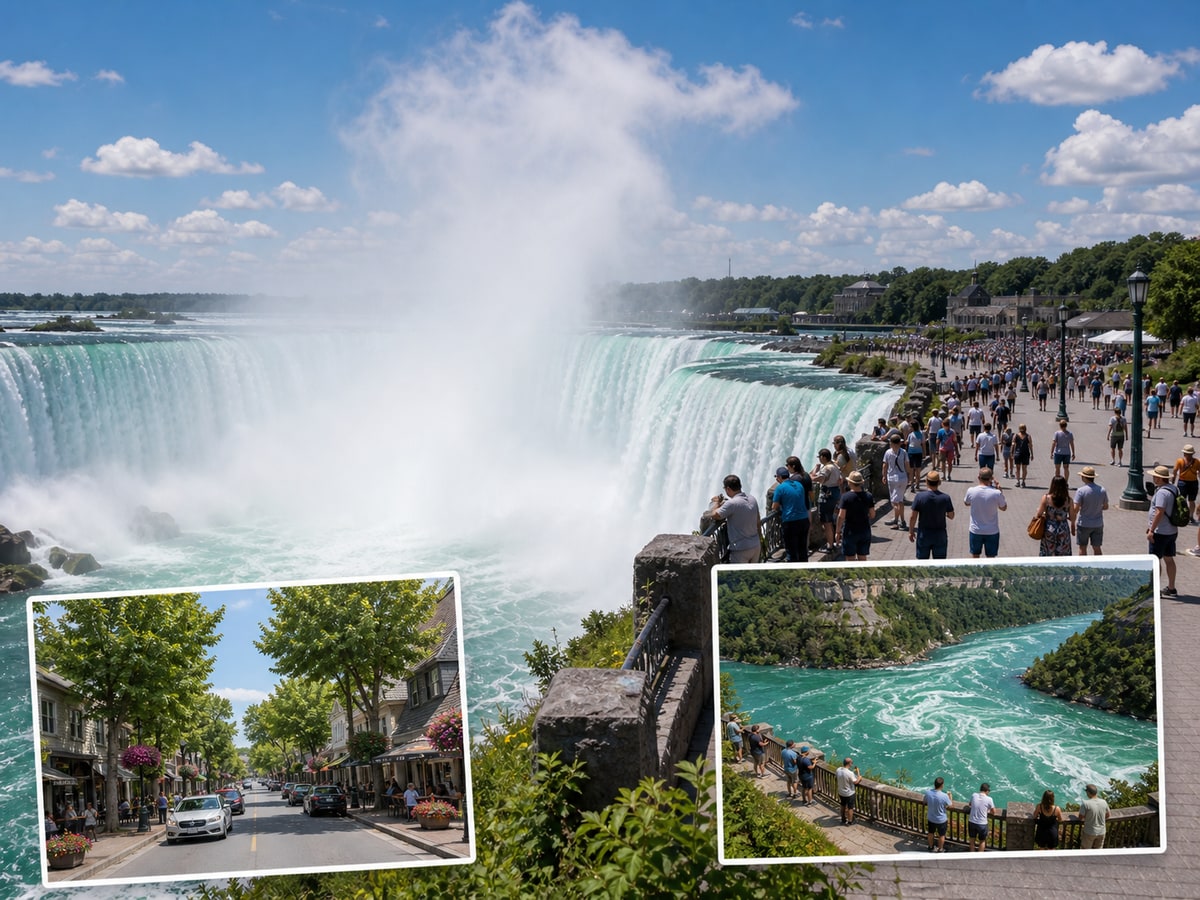
The boats get close to the base of Horseshoe Falls, and the mist there is heavy and persistent. Even with a poncho, your lower body and feet will likely get wet. Wear shoes that can handle water - sandals with straps or quick-dry sneakers work well. Avoid leather shoes or anything that stays wet for hours. A waterproof jacket with a hood is better than a flimsy poncho if you have one. Glasses or sunglasses are fine, but bring a microfiber cloth to wipe them. Leave umbrellas behind; they are useless in the wind on the water. A small dry bag for your phone and wallet is a smart addition. The boats have lockers, but they are limited and cost extra.
Boarding and accessibility
The boarding process involves walking down a long ramp and stepping onto the boat. Most operators accommodate wheelchairs and strollers, but the ramp can be steep at certain water levels. If you have mobility concerns, call ahead and ask about the boarding procedure on the day of your visit. The boats themselves have accessible areas, but the upper decks are usually reached by stairs. If you need to stay on the main deck, you will still get a great view - the lower deck puts you closer to the water, which has its own appeal.
Weather and visibility
The tour runs in light rain, but it gets cancelled if there is lightning, high wind, or thick fog. Check the forecast for the morning of your tour and keep an eye on the operator's social media or website for real-time updates. If your tour gets cancelled, you are usually offered a refund or a reschedule. Visibility matters more than you might think. On a clear day, you see the full sweep of the Niagara Gorge, the American Falls, and the Bridal Veil Falls alongside the massive Horseshoe Falls. On a foggy or overcast day, the mist blends into the sky and the view becomes monochrome. The experience is still impressive, but the photos will not pop the same way.
Duration and what happens on the water
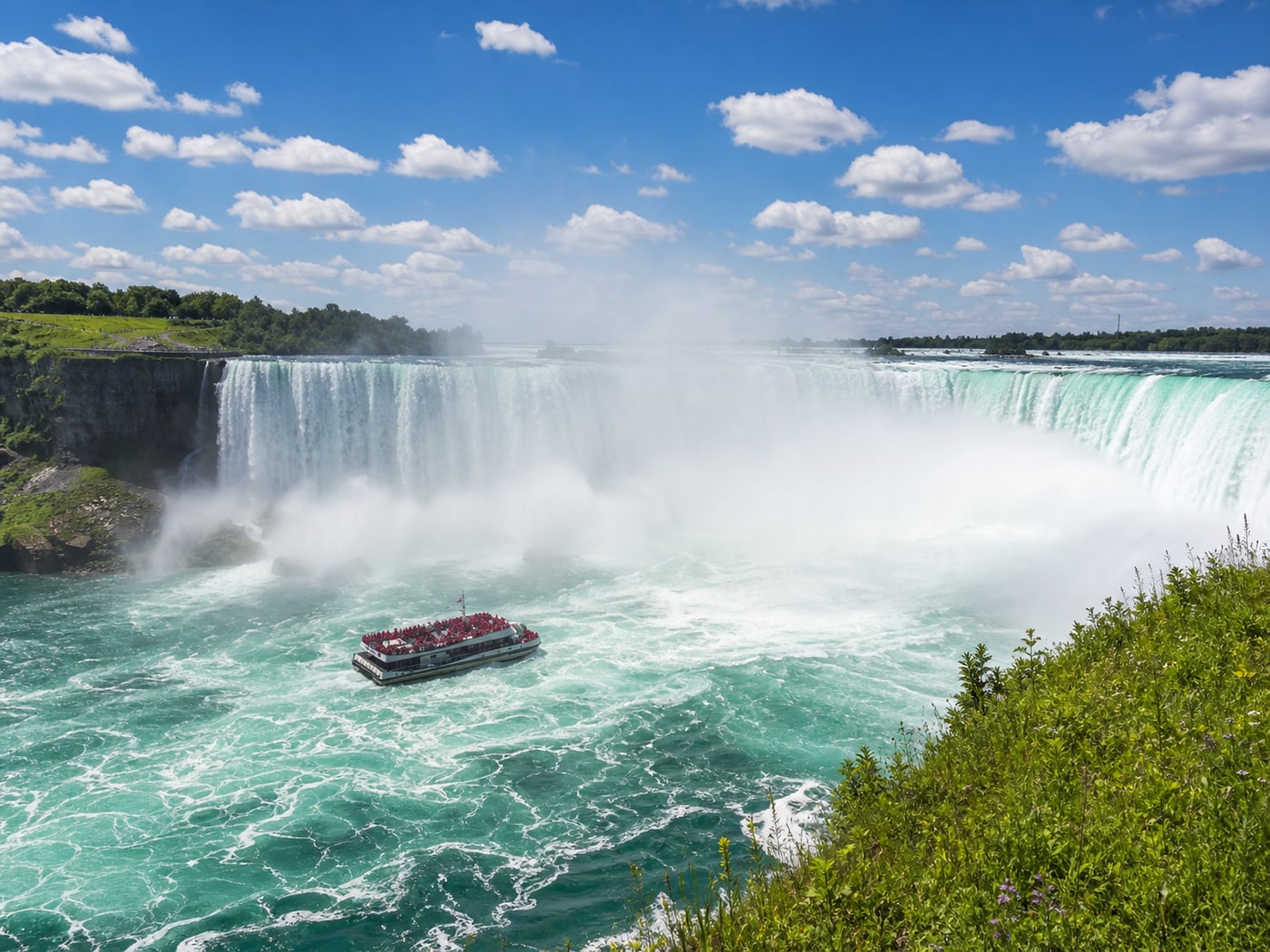
A typical boat ride lasts about 20 minutes from departure to return. That sounds short, but the time is concentrated. The boat cruises slowly toward the falls, pauses near the base of Horseshoe Falls for a few minutes while the mist rolls over everyone, and then turns back. The whole experience, including boarding and disembarking, takes about an hour. Some operators add a short commentary over the speakers pointing out landmarks like the vortex whirlpool or the rainbow mist that forms in the afternoon light. Do not expect a narrated tour in the style of a sightseeing bus; the sound of the falls drowns out most audio once the boat gets close.
Which boat operator to choose
On the Canadian side, the main operator is Hornblower Niagara Cruises. They replaced the old Maid of the Mist operation on the Canadian side years ago. Their boats are large, stable catamarans with indoor and outdoor areas. If you are booking through a third-party site or a tour package, confirm which operator is included. Some packages bundle the boat tour with other attractions like the Skylon Tower or the Journey Behind the Falls. If you only want the boat ride, book directly or through a trusted site that lists the operator clearly. A resource like niagarafallscanadatours.com can help you compare options without digging through multiple pages.
What to do before and after the ride
The boat tour is usually part of a larger day at the falls. Plan to arrive at least 30 minutes before your boarding time to collect tickets, use the restroom, and find the boarding queue. The area near the dock has food stalls, souvenir shops, and viewing platforms. After the ride, you will be wet and probably hungry. There are plenty of spots nearby for a meal, but they fill up fast around lunchtime. If you have a reservation at a restaurant, time it so you have a chance to dry off and change if needed. Some visitors bring a change of clothes and leave it in a car or locker. That is not essential, but it makes the rest of the day more comfortable.
Photography and electronics
Taking photos on the boat is tricky. The mist coats the lens within seconds once the boat gets close to the falls. A GoPro or a waterproof camera is ideal. If you are using a phone, a waterproof case or a ziplock bag works. Keep the phone in your pocket or dry bag until you are ready to shoot, then wipe the lens quickly and snap. Video is even harder because the lens fogs up from the temperature difference. Some people hold their phone under their poncho between shots to keep it dry. The best photo spot is actually on the approach, before the mist hits, when you can frame the falls with the boat's railing in the foreground. Once you are in the thick of it, just enjoy the moment and accept that the photos will be atmospheric rather than crisp.
Children and family considerations
Children under a certain height may need to wear a life jacket, which the operator provides. The noise level near the falls can be startling for young kids. Some children love it; others find it overwhelming. If you are unsure, stand near the back of the boat where the mist and noise are less intense. The ponchos come in children's sizes, but they are thin. Bringing a warm layer underneath is a good idea because the combination of wetness and wind can make a child cold quickly. The whole experience is safe and well-managed, but it is intense for small children. A shorter attention span means the 20-minute ride is about the right length for most families.
Booking ahead versus walk-up
Tickets sell out on weekends, holidays, and during peak summer months. Booking in advance guarantees your spot and often saves a little money. Walk-up tickets are available on slower days, but you risk waiting in line only to find that the next available departure is hours away. Online booking also lets you pick a specific time slot rather than taking whatever is left. If your travel dates are flexible, aim for a weekday in late spring or early fall. The crowds are smaller, the weather is still pleasant, and the experience feels more relaxed.